
Endocrinologist in Batumi
Endocrinology is an important medical specialty that deals with the diagnosis and treatment of diseases of the endocrine system. In Batumi, as a popular resort city, the availability of specialists in this field is particularly relevant for local residents and tourists.
Doctors found: 16

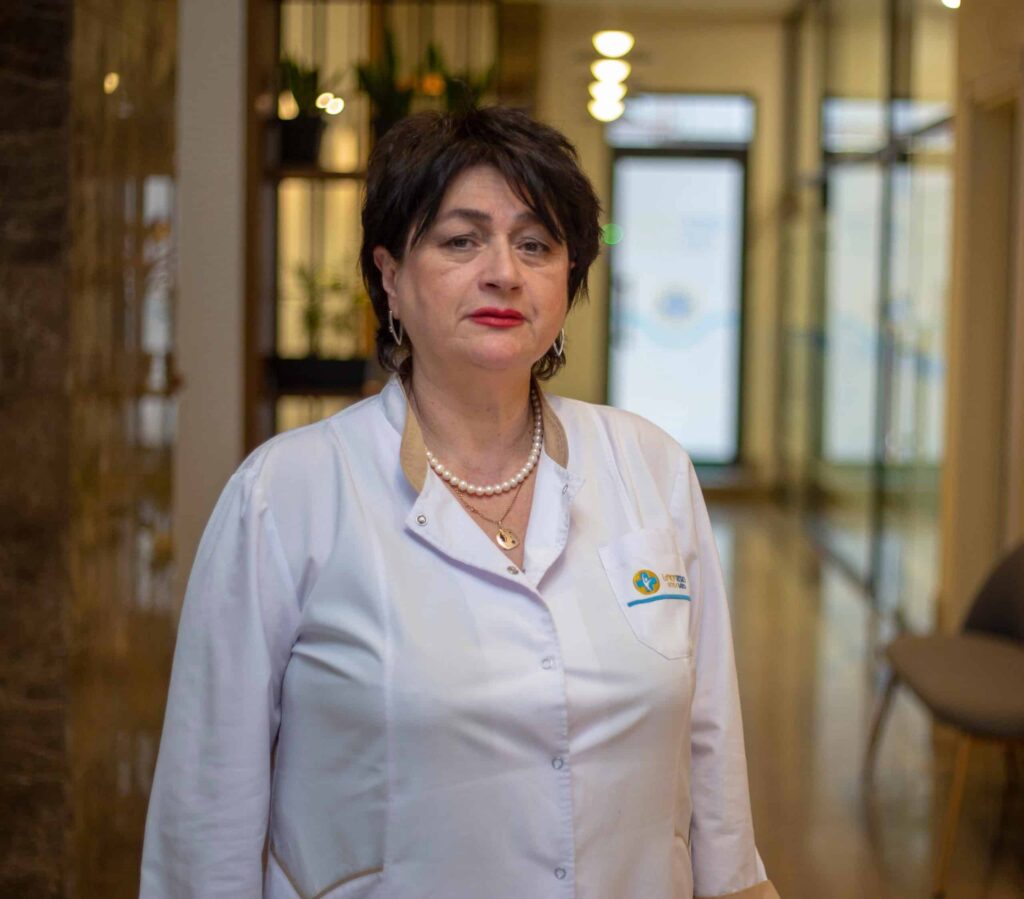

Tamar Peshkova
Endocrinologist
Nino Kvernadze
Endocrinologist

Liana Jashi
Endocrinologist
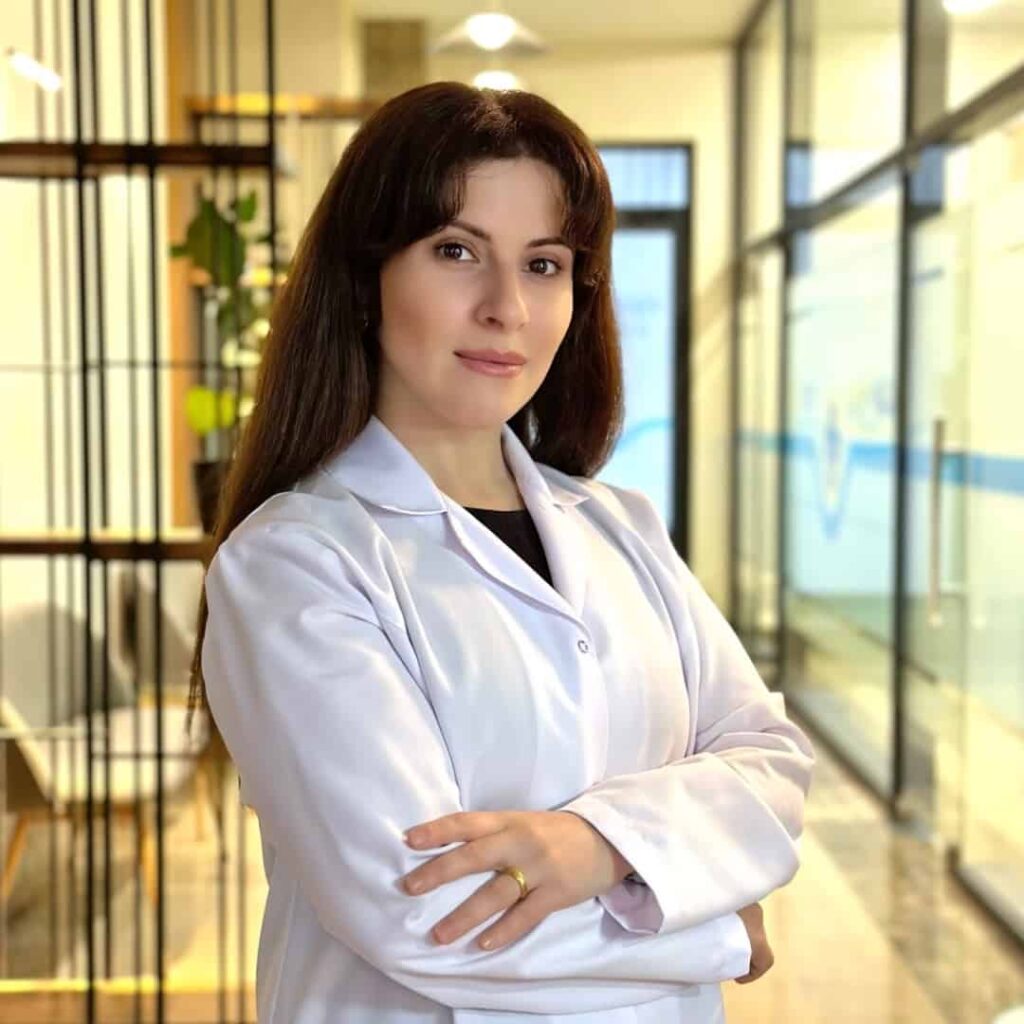
Nona Shamanadze
Endocrinologist
Ana Kvaraya
Endocrinologist
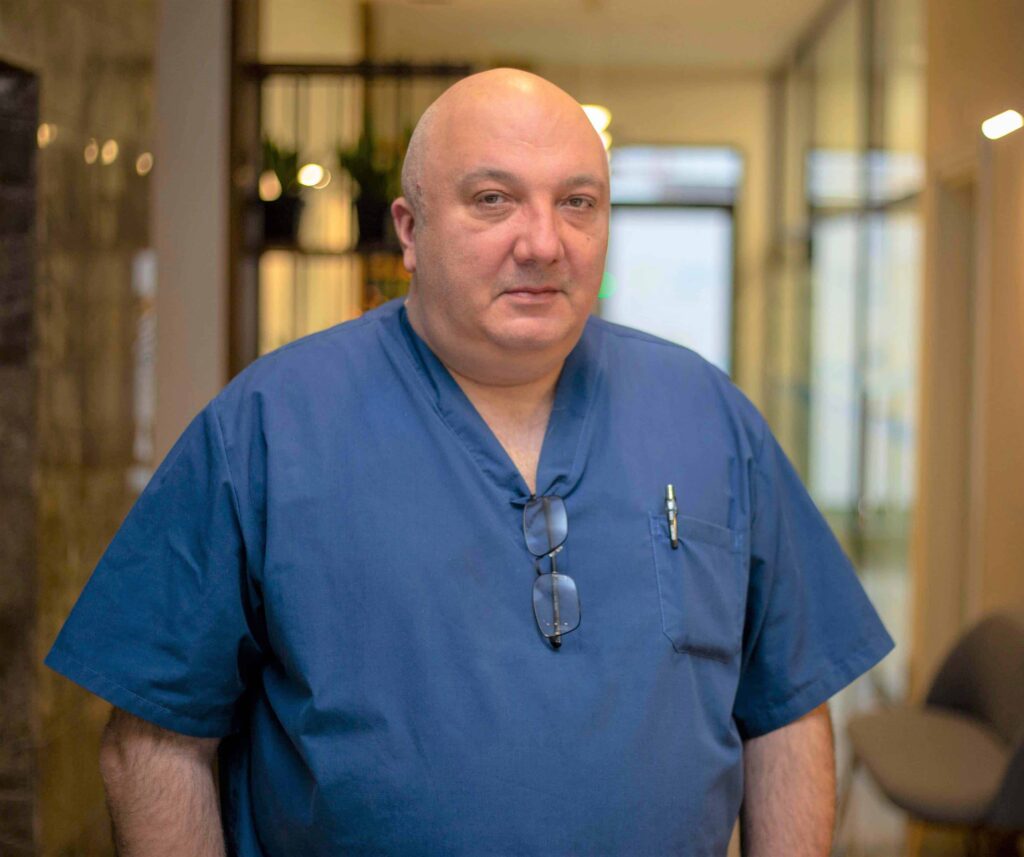
Zurab Dabrundashvili
Surgeon +1
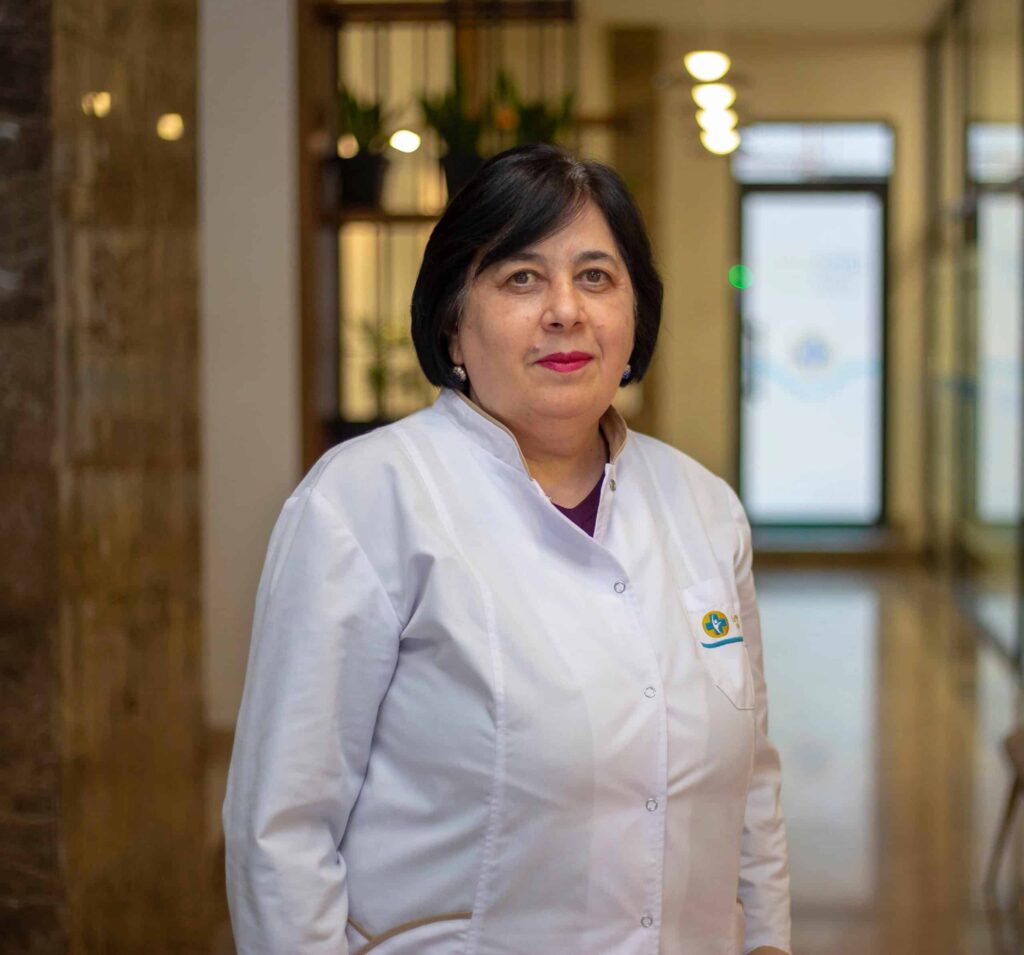
Liya Kakauridze
Endocrinologist

Tamar Mukhashavria
Endocrinologist

Tamar Dumbadze
Endocrinologist
Archil Iremadze
Endocrinologist

Lali Kikava
Endocrinologist

Ketevan Beselia
Endocrinologist
Alina Pronina
Endocrinologist
Verdzadze Tamta
Pediatrician +1
Frequently Asked Questions
How many endocrinologists are there in Batumi?▾
There are more than 10 endocrinologists working in Batumi.
Which clinics offer endocrinology services in Batumi?▾
In Batumi, you can visit the clinics SoloMed, High-tech hospital “Medcenter”, and SILK MEDICAL.
How to choose a good endocrinologist?▾
When choosing an endocrinologist, pay attention to their experience, specialization, clinic conditions, and patient reviews.
Where do endocrinologists practice in Batumi?▾
Endocrinologists practice in the clinics SoloMed, High-tech hospital “Medcenter”, and SILK MEDICAL.
What to expect during a visit to an endocrinologist?▾
During the visit, the endocrinologist will collect medical history, prescribe examinations, and develop a treatment plan.
What is endocrinology and what diseases does an endocrinologist treat?
Endocrinology is a branch of medicine that studies hormones and the endocrine glands responsible for their production. Endocrinologists treat various diseases related to hormonal disorders, such as diabetes, thyroid diseases, obesity, polycystic ovary syndrome, and many other disorders. Since the endocrine system affects many functions of the body, it is important to consult a specialist in a timely manner when symptoms that may indicate its dysfunction are detected.
When should you see an endocrinologist?
There are a number of symptoms and conditions for which a consultation with an endocrinologist is recommended. These include:
- Constant thirst and frequent urination, which may indicate diabetes;
- Unexplained weight loss or gain;
- Fatigue and weakness that do not go away after rest;
- Changes in the menstrual cycle in women;
- Skin, hair, and nail problems;
- Symptoms related to the thyroid gland, such as neck enlargement or changes in energy levels.
If you notice one or more of these symptoms, it is advisable to make an appointment with an endocrinologist for diagnosis and treatment recommendations.
How to choose a good endocrinologist in Batumi?
Choosing a specialist is an important step towards restoring health. In Batumi, where more than 10 endocrinologists work, pay attention to the following aspects:
- Experience and qualifications: Find out how many years the doctor has been working in this field and whether they have additional certifications.
- Specialization: Some endocrinologists may specialize in certain diseases, such as diabetes or thyroid diseases.
- Clinic: Pay attention to the conditions of the reception and the equipment of the clinic where the doctor works.
- Patient reviews: Familiarize yourself with the opinions of other patients about the doctor's work to get an idea of their approach and quality of service.
Clinics and where endocrinologists practice in Batumi
In Batumi, there are several clinics where you can get a consultation with an endocrinologist:
- SoloMed — a modern clinic with qualified specialists;
- High-tech hospital “Medcenter” — offers a wide range of medical services, including endocrinology;
- SILK MEDICAL — a well-known clinic with a good reputation and patient reviews.
Each of these clinics provides a high level of medical care and can offer qualified assistance in the field of endocrinology.
What to expect during a visit to an endocrinologist?
A visit to an endocrinologist usually begins with a conversation, during which the doctor collects medical history and inquires about symptoms. Then, examinations may be prescribed, including blood tests for hormone levels, ultrasound, or other diagnostic procedures. Depending on the results obtained, the doctor will develop an individual treatment plan, which may include medication therapy, lifestyle changes, and diet. It is important to follow the specialist's recommendations and regularly undergo follow-up examinations to monitor the dynamics of the condition.
Reviewed by the 100doc.ge editorial team · updated July 2, 2026