
Endocrinologist in Georgia
100doc.ge lists 45 doctors in endocrinologist across 2 cities in Georgia — with experience, clinic and patient reviews.
Choose a city
Endocrinologist doctors
Natia Katamadze
Endocrinologist

Tamar Peshkova
Endocrinologist
Nino Kvernadze
Endocrinologist
Inga Sisvadze
Endocrinologist
Verdzadze Tamta
Pediatrician +1
Lali Javashvili
Endocrinologist
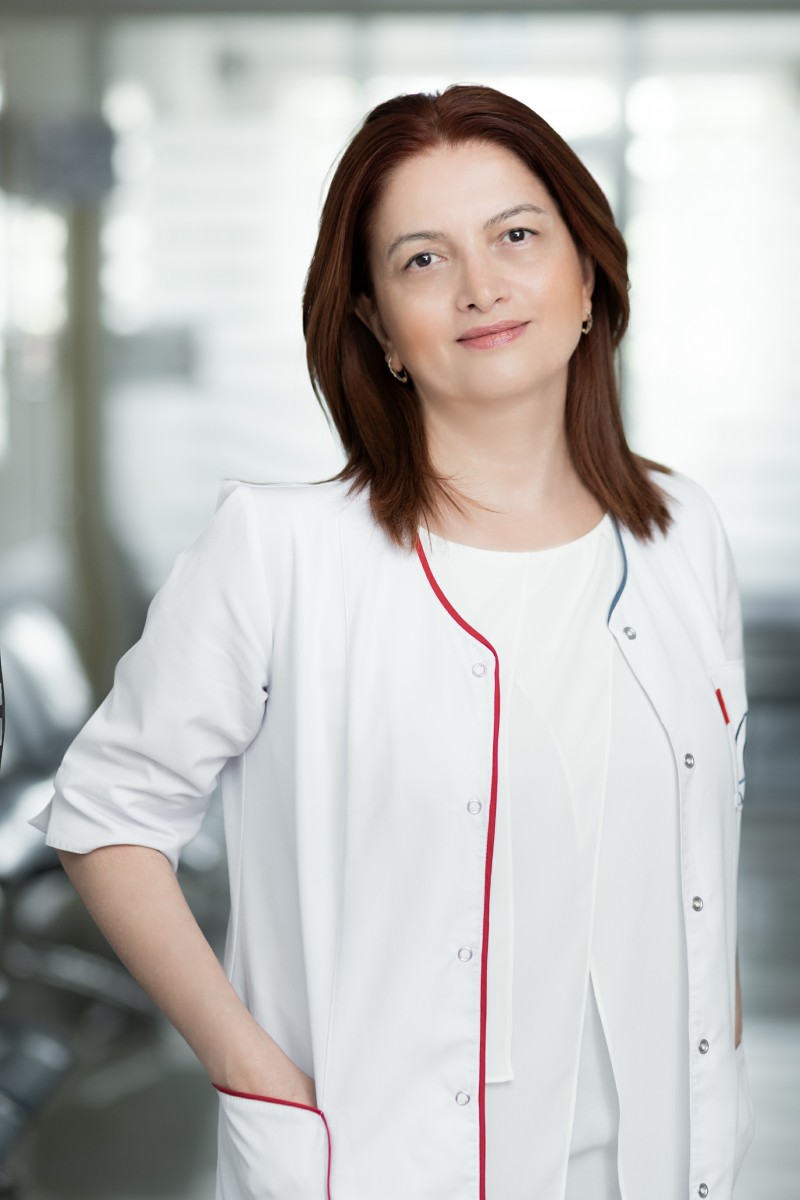
Lali Nikoleishvili
Endocrinologist
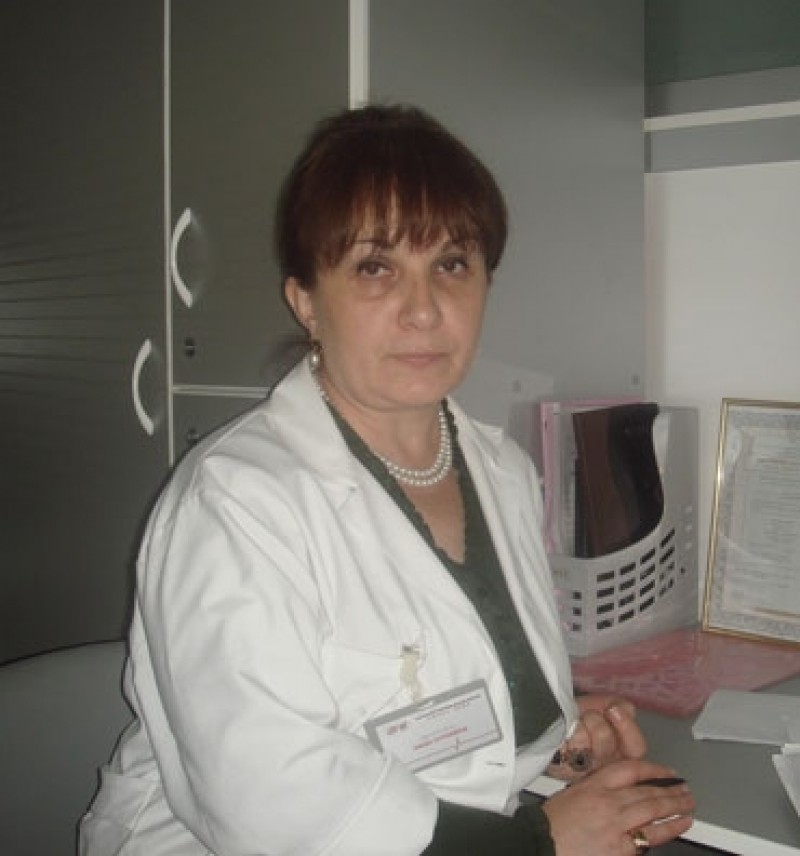
Manana Papuashvili
Endocrinologist
Natia Vashakmadze
Endocrinologist

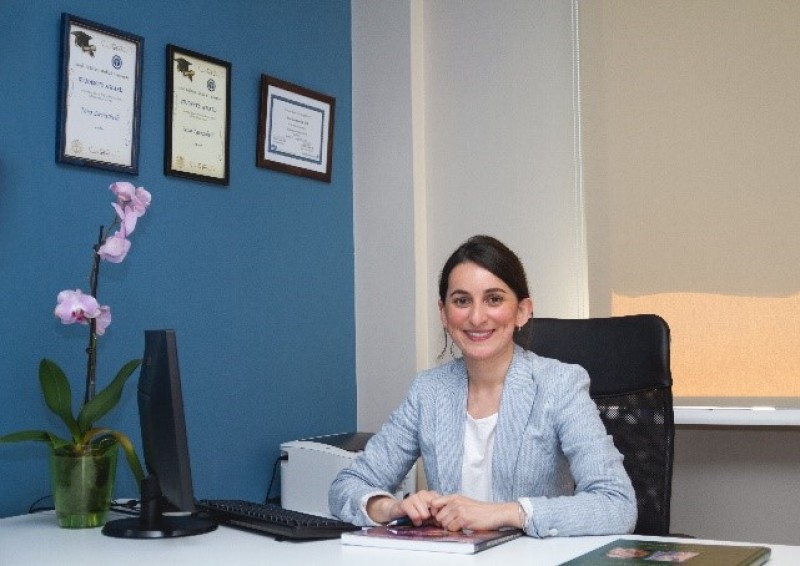
What an endocrinologist does
An endocrinologist treats diseases of the hormone-producing glands and disorders of metabolism: the thyroid and parathyroid glands, the adrenals, the pituitary, and the part of the pancreas that makes insulin. In practice most of the work is diabetes, thyroid disease, obesity and osteoporosis.
Endocrinology is closely tied to other specialties. Menstrual problems and infertility are often treated together with a gynaecologist, and the complications of diabetes in the eyes, kidneys and feet together with an ophthalmologist, nephrologist and surgeon. Paediatric endocrinology is a separate field covering growth, puberty and childhood diabetes.
Reasons people come in
The first large group is the thyroid. An underactive thyroid shows as tiredness, feeling cold, weight gain, dry skin, constipation and low mood. An overactive one is the opposite: palpitations, sweating, shaky hands, irritability, weight loss despite a good appetite. Both are easy to mistake for “just being tired” or “nerves”, and they are often found by chance on a blood test.
The second is diabetes. Type 2 develops gradually and can go without symptoms for a long time, so it is often found on a routine blood test. The classic signs — thirst, frequent urination, dry mouth, slow healing — appear only once sugar is noticeably high. Type 1, by contrast, usually starts quickly and more often in young people.
The third is excess weight and obesity. The endocrinologist looks for hormonal causes behind it and assesses the risks linked to weight: raised blood pressure, lipid disorders, fatty liver disease, sleep apnoea.
The fourth is osteoporosis, loss of bone density. It does not hurt until the first fracture, so women after menopause and people who have taken steroid medication for a long time should discuss bone density scanning with a doctor in advance.
Then there are findings on tests: a thyroid nodule on ultrasound, an adrenal mass spotted by chance on CT, abnormal hormone results. The person may have no complaints at all.
When it is an emergency
The commonest emergencies in endocrinology involve diabetes. Low blood sugar shows as sudden weakness, cold sweat, shaking, hunger and confusion. If the person is conscious and can swallow, give fast-acting carbohydrate — a sugary drink or sugar. If consciousness is impaired, give nothing by mouth and call an ambulance on 112.
Very high sugar is dangerous too: marked thirst, frequent urination, nausea and vomiting, abdominal pain, a smell of acetone on the breath, rapid deep breathing. This needs hospital care the same day.
Urgent care is also needed for a sudden deterioration in someone with known thyroid disease — a very fast heartbeat, high fever, agitation or confusion.
What the appointment involves
The doctor asks about symptoms, how long they have lasted, weight and how it has changed, and family history — diabetes and thyroid disease often run in families. They ask what medication you take, since some drugs affect hormones and blood sugar. Then they examine you, feel the thyroid, and measure blood pressure, height and weight.
Tests follow the symptoms. With a suspected thyroid problem: TSH and, if needed, free hormones and an ultrasound. With suspected diabetes: fasting glucose, HbA1c, sometimes a glucose tolerance test. Good endocrinology does not start with “test every hormone”: without a question behind the tests their results are hard to interpret, and chance deviations lead to unnecessary further tests.
Choosing an endocrinologist
Start from the task. With diabetes, especially type 1 or on insulin, what matters is a doctor who looks after such patients routinely, helps with self-monitoring and knows modern glucose monitoring devices. With thyroid nodules, a doctor who works from standardised ultrasound reports and refers for biopsy when needed.
Endocrinology is a specialty of long-term follow-up. Adjusting a hormone dose, managing diabetes and treating osteoporosis take months and years, so it matters more to find a doctor you can see regularly than to get a one-off consultation.
Notice whether the doctor explains why each item is prescribed and gives a clear monitoring plan: when to repeat tests and which symptoms mean coming back sooner. In reviews for this specialty it is telling whether the doctor discussed lifestyle or stopped at a prescription.
Children and the endocrinologist
A paediatric endocrinologist deals with growth, puberty, the thyroid and childhood diabetes. Reasons to bring a child include lagging noticeably behind peers in height or, the opposite, early signs of puberty, as well as rapid weight gain. Growth is judged on a curve over several years, so it helps to bring past measurements from the medical record.
Type 1 diabetes in children often starts quickly: the child drinks a lot, urinates often including at night, loses weight despite a good appetite, becomes listless. With these signs, get a blood sugar test the same day — delay is dangerous.
Endocrinology in Georgia: what to know
The main choice of endocrinologists is in Tbilisi and Batumi, where thyroid ultrasound with biopsy, bone density scanning and the full range of hormone tests are available. Smaller towns may have one endocrinologist, and complex cases are referred to the capital.
If you have moved here with diabetes, establish in advance whether your medicines, the right type of insulin and the supplies for your glucose meter or monitoring system are available: names and formats can differ. A gap in insulin treatment is dangerous, so a supply for the first period and a local doctor to continue treatment are the first priority.
Official information on healthcare in Georgia is published by the Ministry of Health at moh.gov.ge, and epidemiological data by the National Center for Disease Control at ncdc.ge.
What actually helps
With type 2 diabetes and prediabetes, weight loss, regular physical activity and eating less sugar and processed food help. This is not a box-ticking recommendation: at early stages these measures are proven to change the course of the disease. Regular self-monitoring and scheduled visits help too, even when all is well.
With thyroid disease, taking the medicine exactly as prescribed and repeating tests on the agreed schedule helps. “Natural” thyroid remedies and iodine supplements taken without a prescription do not: in some conditions extra iodine does harm.
Diets promising quick weight loss do not work, nor do weight-loss drugs taken without assessment. And skipping tests because “nothing is bothering me” does not work either: many endocrine diseases stay silent for a long time, which is exactly why they are found by tests rather than by symptoms.
Frequently asked questions
Which tests should I bring to an endocrinologist?▾
You do not need to arrange a panel in advance — the doctor orders what the symptoms call for. But if you already have results — TSH, fasting glucose, HbA1c, a thyroid ultrasound — bring them with their dates. For most hormones the timing and conditions of the sample matter: glucose and several hormones are taken in the morning on an empty stomach, and some tests depend on the day of the menstrual cycle. Results without dates and conditions are harder for the doctor to interpret.
My thyroid is enlarged or they found a nodule — is that dangerous?▾
Thyroid nodules are very common, and the overwhelming majority are benign. What decides the risk is not the nodule itself but its ultrasound features and how the gland is working. The doctor assesses the nodule from the ultrasound report and decides whether a fine-needle biopsy is needed or follow-up is enough. It matters that the ultrasound is done by a specialist who reports using a standard system — that way results from different years can be compared.
Is prediabetes already a disease?▾
Prediabetes means blood sugar above normal but not yet at the threshold for diabetes. It is not a verdict but a window of opportunity: at this stage losing weight, regular physical activity and changing diet are proven to delay or prevent type 2 diabetes. Not everyone needs medication at this point; that is the doctor's decision.
Can an endocrinologist help me lose weight?▾
An endocrinologist assesses whether there are hormonal causes of weight gain — hypothyroidism, Cushing's syndrome, disorders of glucose metabolism — and complications linked to obesity. Where indicated, they can prescribe medication for obesity. But medication works only together with changes in eating and activity, not instead of them, and it is prescribed by a doctor after assessment, not on a friend's advice.
Will I have to take thyroid hormone for life?▾
With a permanent loss of thyroid function, usually yes: the tablet replaces a hormone the gland no longer makes, and that is not “dependence” but supplying what is missing. The dose is adjusted by blood tests — more often at first, then less. It usually needs to be taken on an empty stomach and apart from some other medicines and supplements, as that affects absorption; ask your doctor about it.
When is diabetes an emergency?▾
Immediately if a person with diabetes is confused, very weak, in a cold sweat and shaking (signs of low blood sugar), or, the other way round, has intense thirst, frequent urination, vomiting, a smell of acetone on the breath and rapid breathing — signs of dangerously high sugar. With low sugar, if the person is conscious and can swallow, give fast-acting carbohydrate; if not, call an ambulance on 112.
This page is for general information and does not replace a consultation. A diagnosis can only be made in person, after examination and tests.
Updated: