
Dermatologist in Georgia
100doc.ge lists 52 doctors in dermatologist across 2 cities in Georgia — with experience, clinic and patient reviews.
Choose a city
Dermatologist doctors
Kоновцева Kсения
Dermatologist
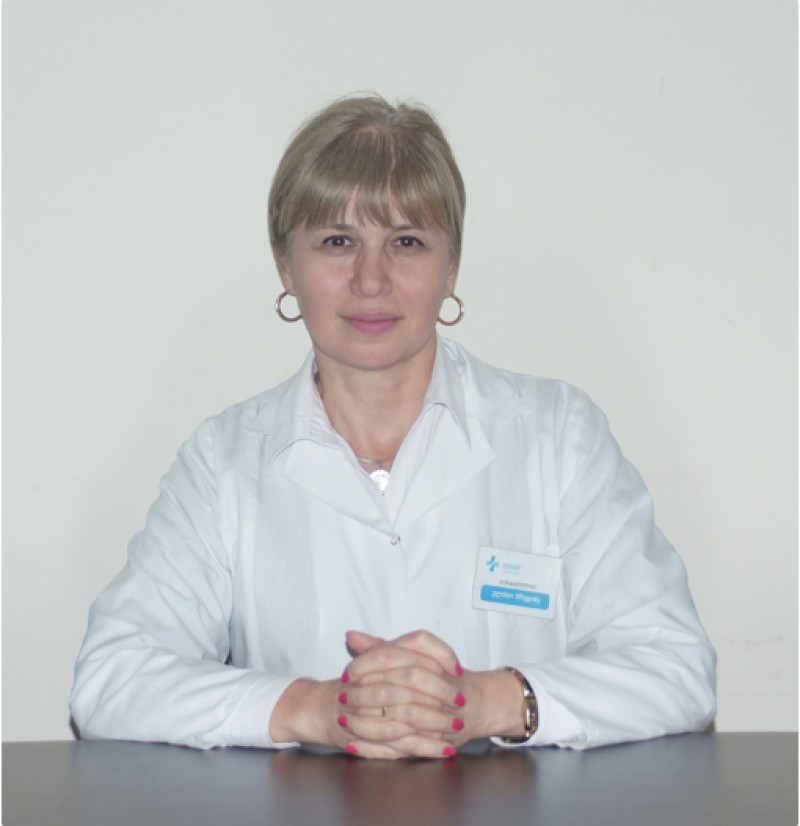
Eliso Bregadze
Dermatologist
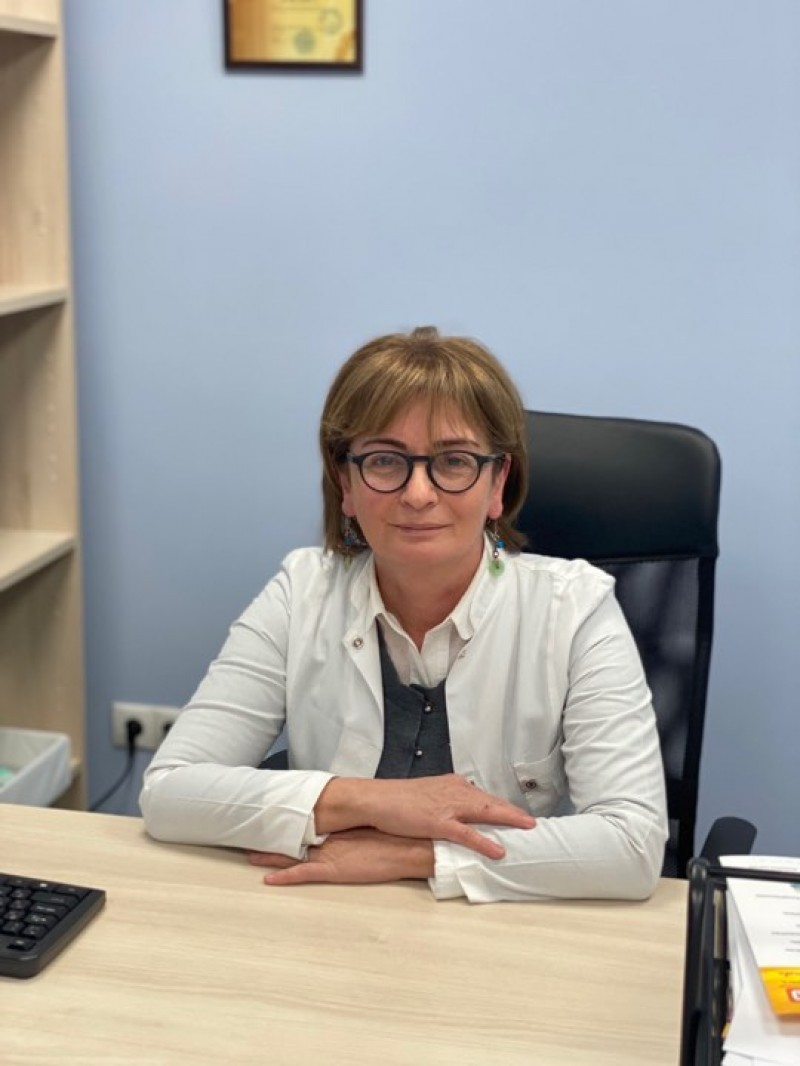
Irma Buchukuri
Dermatologist
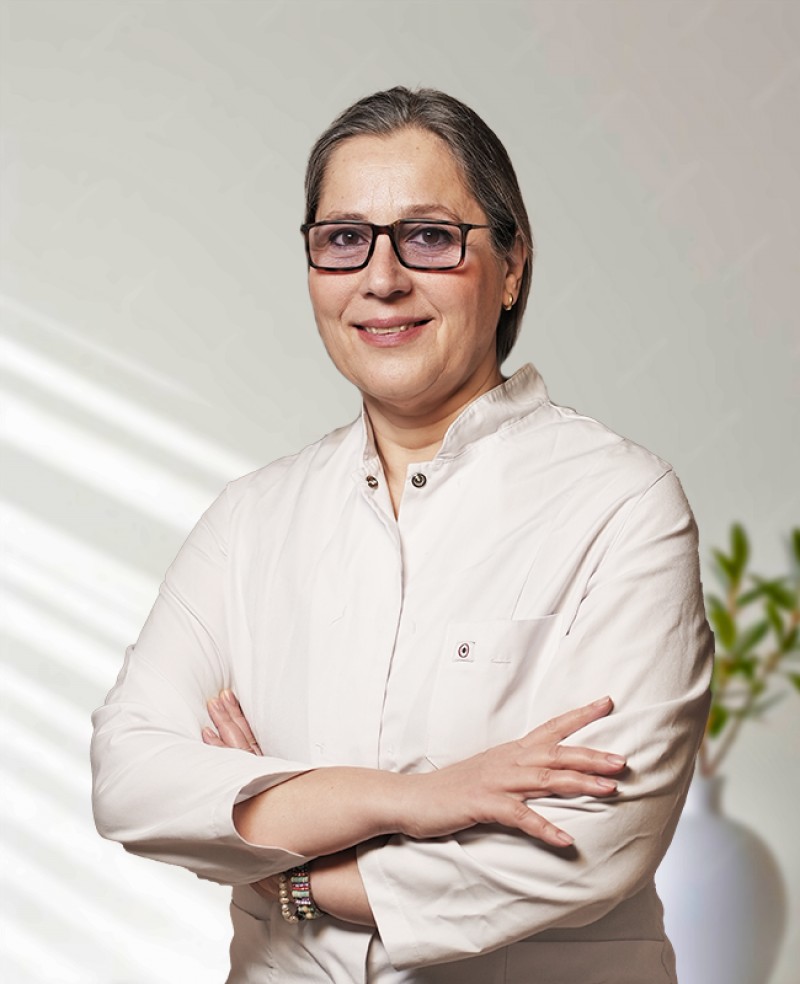
Nino Kakhishvili
Dermatologist
Nino Nishnianidze
Dermatologist
Sergo Dadashian
Dermatologist
Zhanna Panina
Dermatologist
Beridze Nino
Dermatologist

Ekaterine Tsartsidze
Dermatologist

Lela Beridze
Dermatologist
Nodar Putkaradze
Dermatologist

Nino Gviniashvili
Dermatologist
What a dermatologist does
A dermatologist treats diseases of the skin, hair, nails and visible mucous membranes. By sheer number of conditions it is one of the broadest specialties: it covers common, almost everyday problems like acne or eczema, rare autoimmune diseases, and the early detection of skin cancer.
A related field, dermatovenereology, also covers sexually transmitted infections, and in Georgia some doctors practise both. What separates dermatology from cosmetology is the core of it: a dermatologist diagnoses and treats disease, a cosmetologist works on the look of healthy skin.
Reasons people come in
The commonest is acne. It is not “a teenage thing that will pass”: for many people it continues into adulthood, and left untreated it leaves scars that are far harder to remove than to prevent.
The second large group is itching and rashes: atopic dermatitis, contact dermatitis, hives. What matters here is not only the medicine but finding the trigger — laundry products, cosmetics, metals in jewellery, contact with substances at work.
The third is chronic inflammatory disease: psoriasis, rosacea, seborrhoeic dermatitis. These are not cured once and for all, but they are well controlled, and modern psoriasis treatment has changed fundamentally in recent years.
The fourth is fungal infection of the skin and nails. It is often treated by guesswork with pharmacy creams, although without confirming the fungus by a test the treatment frequently turns out to target the wrong disease.
Then there are hair loss and nail changes. And finally, mole checks — the one area of dermatology where a regular preventive visit without symptoms directly saves lives.
Moles and skin cancer: what matters
Melanoma, the most dangerous skin tumour, is cured by surgery at an early stage and is almost always visible to the eye. Its main enemy is therefore attention. The guide for checking yourself is change: a mole that grows, changes shape or colour, starts to itch or bleed, needs to be seen by a doctor.
The second sign is the “ugly duckling”: a mole that looks unlike all the others on the same person. The doctor examines such lesions with a dermatoscope, which is painless and quick. If there is suspicion, the lesion is removed and sent for histology. Moles should not be removed at a salon or by laser without histological examination: if the lesion turns out to be dangerous, the diagnosis is lost.
Georgia has many sunny days, and summer ultraviolet on the coast is strong. People with fair skin, many moles or past sunburn are sensible to have their skin checked regularly.
When it is an emergency
Most skin conditions are not urgent, but there are exceptions. A rash spreading fast with a high fever and feeling unwell. Blistering over a large area of skin. Swelling of the face, lips or tongue, especially with difficulty breathing — an allergic reaction that needs immediate help. A rash involving the eyes and mouth that appeared after starting a new medicine.
An area of skin that is red, hot, painful and growing quickly also needs to be seen urgently: that can be a bacterial infection of the soft tissues.
What the appointment involves
The doctor asks when the problem started, what makes it worse, what you have already tried, which medicines you take and whether relatives have something similar. Then comes the skin examination — often beyond the area you came about, because many skin diseases show characteristic signs elsewhere that make the diagnosis more certain.
Investigations follow the findings: dermatoscopy, a scraping for fungus, a swab culture, blood tests, a skin biopsy. Many diagnoses are made on examination alone, and that is normal — dermatology is largely a visual specialty.
Choosing a dermatologist
If the question is moles, it matters that the doctor uses a dermatoscope and removes suspicious lesions with histology as standard. For psoriasis or severe atopic dermatitis, a doctor who looks after such patients routinely and knows modern systemic therapy is more useful.
Notice whether the doctor explains the diagnosis and the plan. Chronic skin disease is treated over months, and without understanding the regimen patients tend to stop treatment the moment things improve — after which the disease comes back.
In reviews, it is telling whether the doctor prescribed something “just in case” or first found the cause. For skin this matters especially: a steroid ointment put on a fungal infection makes it spread.
Children and the dermatologist
Children have their own common reasons. In infants it is atopic dermatitis: dry, itchy skin on the cheeks and in the creases of the elbows and knees. The basis of treatment here is not medicine but daily care — a short bath and generous moisturising right after it. Steroid creams are not dangerous when used as the doctor prescribed, and fear of them often means a child scratches for weeks for no reason.
Older children often have molluscum contagiosum, warts and scalp ringworm passed on from pets. A ringworm-like patch on a child should not be treated by guesswork: fungal infection and conditions that resemble it are treated differently, and a scraping is needed.
Dermatology in Georgia: what to know
The main choice of specialists is in Tbilisi and Batumi, where dermatoscopy, histology and laser methods are available. In smaller towns a dermatologist may not see patients every day.
If you have arrived with a chronic skin condition on systemic treatment, establish in advance whether your medicine is available and who will provide follow-up. Some drugs need regular blood monitoring, and a gap in follow-up is more dangerous than changing doctors.
Official information on healthcare in Georgia is published by the Ministry of Health at moh.gov.ge, and epidemiological data by the National Center for Disease Control at ncdc.ge.
What actually helps
Sun protection works: sunscreen, a hat and shade at midday. It is the main prevention both of skin cancer and of sun ageing. Gentle cleansing and moisturising work for dry and atopic skin — in many cases that alone means medicines are needed less often.
Self-treating with steroid ointments without a diagnosis does not work: they calm inflammation for a while but worsen fungal infections and rosacea, and thin the skin with long use. Squeezing and “extractions” for acne do not work either — they are what leaves scars.
One last point: the skin reflects the state of the body as a whole. Sudden itching without a rash, nail changes or rapid hair loss sometimes turn out to be the first sign of thyroid disease, liver disease or iron deficiency. When a dermatologist orders blood tests, that is not excess caution but part of finding the cause.
Frequently asked questions
Dermatologist or cosmetologist — who should I see?▾
A dermatologist is a doctor who diagnoses and treats diseases of the skin, hair and nails: acne, eczema, psoriasis, fungal infections, skin growths. A cosmetologist works on the appearance of healthy skin. Rashes, itching, scaling, hair loss or a mole that has changed belong with a dermatologist. Beauty procedures are best started after a dermatologist has ruled out disease: a peel on top of untreated rosacea or acne often makes it worse.
Which mole should I show a doctor?▾
The usual guide is the ABCDE rule: asymmetry, irregular borders, uneven colour, a diameter larger than roughly six millimetres and, above all, change over time. It is also worth showing a mole that looks different from all the others on the same person, and any mole that has started to bleed, itch or grow quickly. Examination with a dermatoscope is painless and takes a few minutes.
Can acne be cured for good?▾
Acne is a chronic condition, and the honest goal of treatment is control rather than a one-off cure. Modern therapy gets most patients to clear skin and prevents scarring, but it takes time: the first results usually show after several weeks, not days. The single most important thing is not to squeeze spots — that is what most often leaves marks.
My hair is falling out — is that a dermatologist?▾
Yes, diseases of the hair and scalp are part of dermatology. The causes vary: hormonal change, iron deficiency, a recent high fever or stress, inherited hair loss, autoimmune processes. Blood tests are often needed, and treatment depends on the cause found rather than on an “anti-hair-loss shampoo”.
Do I need to prepare for the appointment?▾
Come without make-up or nail polish if the complaint concerns the face or nails: the doctor needs to see the skin as it is. For a few days before the visit, do not start new creams or put steroid ointments on the rash — they change the picture and get in the way of a diagnosis. If the rash tends to fade before appointments, photograph it during a flare.
When is a skin problem urgent?▾
Immediately for a rash spreading fast with fever and feeling unwell, for blistering over a large area of skin, for swelling of the face, lips or tongue with difficulty breathing, and for a rash that appeared after starting a new medicine and involves the mouth or eyes. These are emergencies treated in hospital.
This page is for general information and does not replace a consultation. A diagnosis can only be made in person, after examination and tests.
Updated: