
Internal Medicine Therapist in Tbilisi
The internist therapist plays a key role in the diagnosis and treatment of various diseases. In Tbilisi, the capital of Georgia, there are many specialists available in this field.
Doctors found: 57






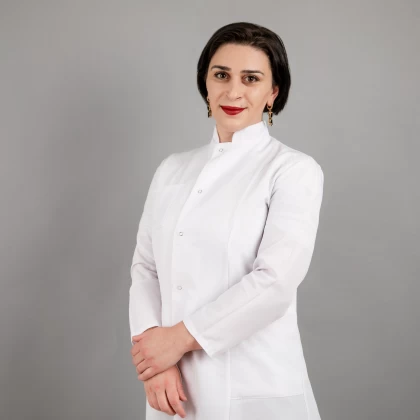

Nino Potskhverashvili
Gastroenterologist +1

Iyad Jaber
Family Doctor +1
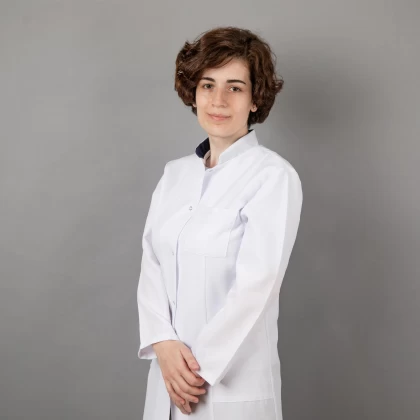
Allergist Tamar Barblishvili
Internal Medicine Therapist
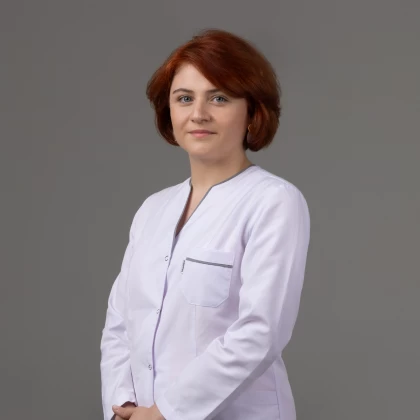
Chkhikvadze Manana
Internal Medicine Therapist
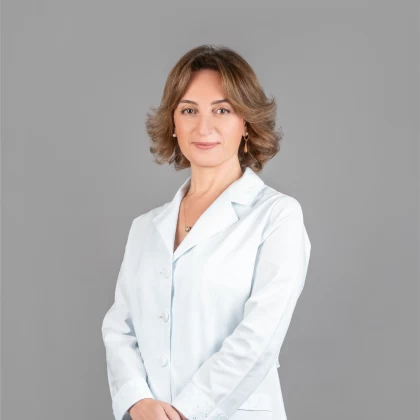
Omiadze Ketevan
Internal Medicine Therapist

Kavlashvili Ana
Internal Medicine Therapist
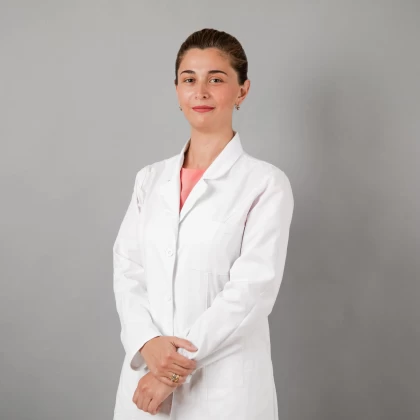
Meladze Ketevan
Internal Medicine Therapist

Bugadze Lali
Internal Medicine Therapist
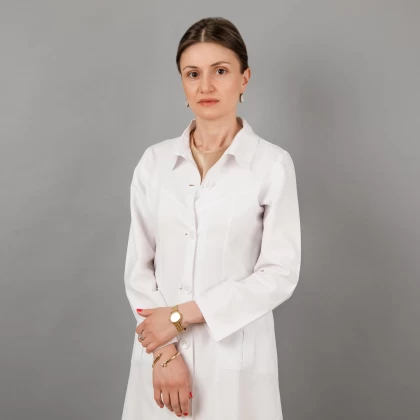
Batselashvili Nino
Internal Medicine Therapist
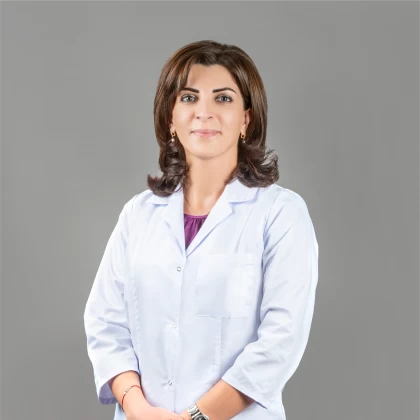
Tamta Kobakhidze
Internal Medicine Therapist
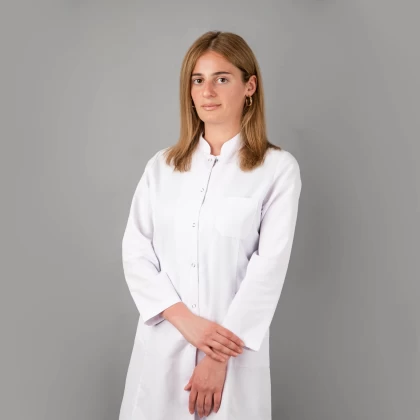
Makashvili Anna
Internal Medicine Therapist
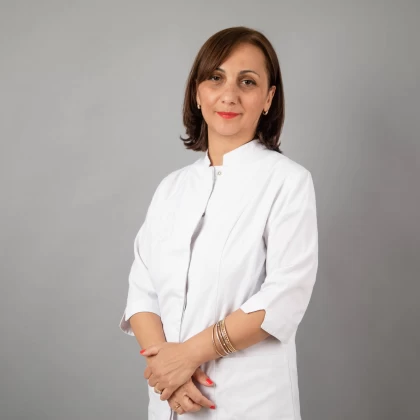
Aladashvili Tsismari
Internal Medicine Therapist
Frequently Asked Questions
How many internist therapists are there in Tbilisi?▾
There are more than 50 internist therapists in Tbilisi.
Which clinics offer internal medicine therapy in Tbilisi?▾
In Tbilisi, internal medicine therapy is offered by clinics such as Chaika Clinic Tbilisi, Todua Clinic, and Albius.
How to choose a good therapist?▾
When choosing a therapist, pay attention to experience, qualifications, clinic reputation, and patient reviews.
Where do internist therapists see patients in Tbilisi?▾
Internist therapists see patients in clinics such as Chaika Clinic Tbilisi, Todua Clinic, and Albius.
How does an appointment with a therapist go?▾
An appointment with a therapist starts with a conversation about your symptoms, after which examinations may be assigned and a treatment plan discussed.
What is this specialty and what diseases does it treat
An internist therapist is a specialist who deals with the diagnosis, treatment, and prevention of diseases of internal organs. They play an important role in healthcare as they can identify and treat a wide range of diseases, including cardiovascular, respiratory, endocrine, and gastrointestinal disorders. Therapists also assist in managing chronic conditions such as diabetes, hypertension, and asthma.
When to seek help
You should consult a therapist when experiencing various symptoms such as:
- unexplained fatigue;
- chest pain;
- breathing problems;
- frequent headaches;
- changes in appetite or weight;
- persistent abdominal pain.
If you have chronic diseases or simply want to undergo a preventive examination, a visit to the therapist will also be appropriate.
How to choose a good specialist in Tbilisi
When choosing an internist therapist in Tbilisi, pay attention to several factors:
- Experience and qualifications: Find out how many years the doctor has been working in this field and what specialization they have.
- Clinic reputation: Choose clinics with good reviews and reputation, as this can affect the quality of services provided.
- Patient reviews: Familiarize yourself with the reviews of other people who have already consulted this specialist.
Clinics and where to go
In Tbilisi, there are several clinics where you can get a consultation with an internist therapist. Among them:
- Chaika Clinic Tbilisi — a modern medical institution with highly qualified specialists;
- Todua Clinic — a well-known clinic offering a wide range of medical services;
- Albius — a clinic specializing in internal medicine and disease prevention.
How the appointment/consultation goes
An appointment with a therapist usually begins with a conversation where the doctor collects medical history and asks questions about your symptoms and overall health condition. Then, examinations may be assigned, including blood tests, X-rays, or ultrasounds, depending on your symptoms. The doctor will discuss the results and suggest a treatment plan or further actions. It is important to be open and honest with the doctor so they can properly assess your condition.
Reviewed by the 100doc.ge editorial team · updated July 2, 2026