
Psychiatrist in Georgia
100doc.ge lists 18 doctors in psychiatrist across 2 cities in Georgia — with experience, clinic and patient reviews.
Choose a city
Psychiatrist doctors

Giorgi Cheishvili
Psychiatrist

Nato Tkeshelashvili
Psychiatrist

Khatia Sulaberidze
Psychiatrist
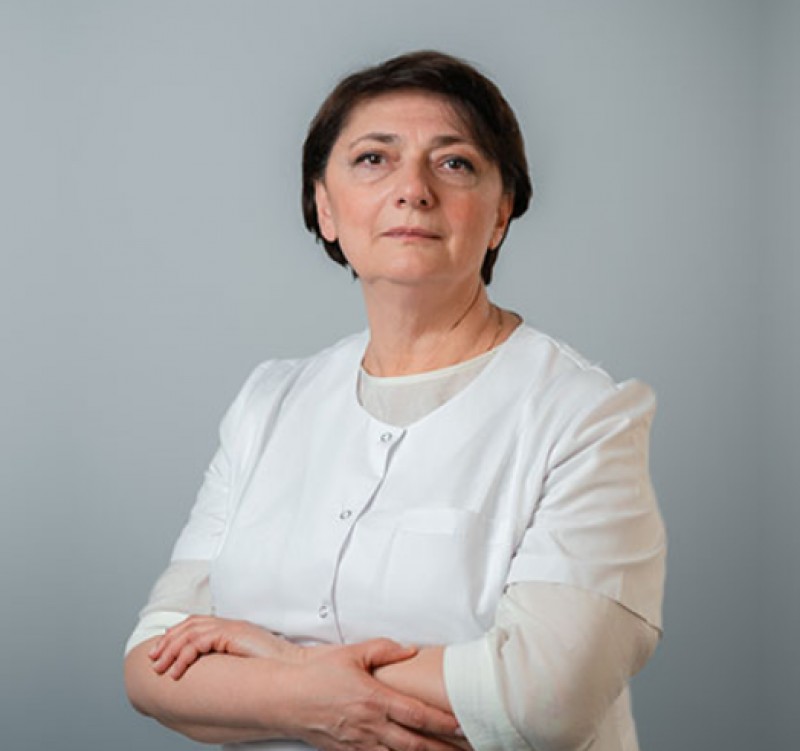
Khatuna Kobakhidze
Psychiatrist




Chelidze Mariam
Psychiatrist
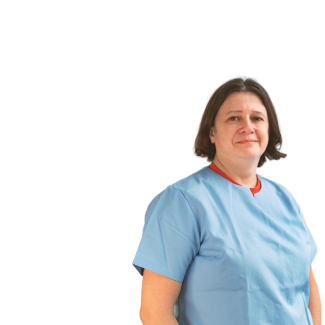
Nadezhda Titova
Psychiatrist

Batumski Institut Psikhoterapii
Psychiatrist


Psikholog Psikhoterapevt Tbilisi Ochno i onlain
Psychiatrist
What a psychiatrist does
A psychiatrist is a doctor who diagnoses and treats mental disorders: depression, anxiety disorders, bipolar disorder, obsessive-compulsive disorder, sleep and eating disorders, psychosis, the after-effects of trauma. They can prescribe medication, provide psychotherapy or refer to a psychotherapist, and assess whether hospital care is needed.
It matters to understand that psychiatry is not only about severe illness. Most visits concern anxiety, insomnia, low mood and burnout — things that get in the way of living and working, and that people avoid seeing a doctor about for years out of shame or fear of being “on record”.
Reasons people come in
The commonest is depression. Its signs go beyond sadness: loss of interest in what used to bring pleasure, constant tiredness, disturbed sleep and appetite, difficulty concentrating, a sense of being worthless. If this lasts two weeks or more and gets in the way of ordinary life, it is a reason to see a doctor rather than to “pull yourself together”.
The second is anxiety disorders: persistent worry that is hard to switch off, panic attacks with a racing heart and fear of dying, avoiding situations. Someone with panic attacks often goes to a cardiologist first, and that is right — the heart needs checking — but if the heart is fine, the next doctor is a psychiatrist.
The third is insomnia. Chronic poor sleep seriously worsens how people feel in its own right and often comes with anxiety and depression. Sleeping pills solve the problem only briefly and create problems of their own with long use.
Separately, there are changes in behaviour that family notice: someone becomes suspicious, talks about unusual things, stops sleeping and is full of energy, abruptly changes habits. In these cases relatives are often the ones who come, and that is a perfectly good reason too.
When urgent help is needed
Call 112 immediately if there is intent to self-harm, a specific plan or an attempt already made. Also if a person has gone several days without sleep and is behaving unpredictably, hears voices telling them to do something, threatens others or is confused.
If you are worried about someone, asking directly “are you thinking about killing yourself?” is not dangerous — it does not push them towards acting, it gives them a chance to say it. Do not leave them alone if the danger is immediate, and remove access to medication and weapons.
What the appointment involves
A first appointment is mostly conversation. The doctor asks what is troubling you and for how long, how you sleep and eat, what has changed at work and in relationships, whether similar periods happened before, whether relatives have had mental illness, whether you use alcohol or other substances. That last question is not about judging: alcohol and stimulants directly affect anxiety and sleep.
Sometimes the doctor offers questionnaires or blood tests: thyroid problems, anaemia and vitamin B12 deficiency can produce symptoms that look like depression. That is part of ruling out physical causes, not a formality.
A diagnosis is not always made at the first visit, and that is normal. The usual outcome is a working understanding of the situation and a plan: psychotherapy, medication, both, or follow-up.
Choosing a psychiatrist
First, language. In psychiatry precise words matter more than in any other specialty: describing your inner experience in a second language is very hard, and through an interpreter harder still. If you can, choose a doctor you can talk to in your own language.
Second, willingness to explain. A good psychiatrist tells you what they are prescribing, when to expect an effect, what side effects are possible and what to do if they appear. If the prescription took five minutes with no explanation, ask questions or look for someone else.
Third, continuity. Finding the right treatment takes several visits, and it matters more to find a doctor you can keep seeing than to get one consultation with the best-known name.
How to support someone close
If you can see that someone close is struggling, the most useful thing is not to urge them to “cheer up” but to say calmly what you have noticed and offer help with booking a doctor. For a person with depression even phoning a clinic can feel impossible, and your readiness to do it with them often decides whether they reach a doctor at all.
Do not argue with unusual beliefs if they have appeared, and do not try to talk the person out of them: that usually raises the tension. It is better to talk about your worry and about concrete changes — sleep, work, behaviour. And look after yourself: supporting someone with a mental disorder is a heavy load, and sometimes the person doing the supporting needs a psychologist too.
Psychiatry in Georgia: what to know
Private specialists are concentrated mainly in Tbilisi, with less choice in Batumi. Attitudes to mental health are changing gradually, but the stigma of seeing a psychiatrist is still strong, and many people delay for years. If that is you, deciding to come is already a big step.
If you have moved to Georgia and take psychiatric medication, establish in advance whether your medicine is available here: brand names differ, and some drugs are dispensed only on a local doctor's prescription. Stopping treatment abruptly because of a move is dangerous — better to find a doctor to continue with beforehand.
Official information on healthcare in Georgia is published by the Ministry of Health at moh.gov.ge, and epidemiological data by the National Center for Disease Control at ncdc.ge.
What actually helps
Regular sleep and physical activity help — not a replacement for treatment but a proven part of it. Psychotherapy with a clear method helps, especially for anxiety and mild depression. Staying with one doctor and being honest with them helps, including telling them you stopped a medicine or are drinking more than usual.
Self-medicating with alcohol does not help — it relieves anxiety briefly and then amplifies it. Taking tranquillisers and sleeping pills on your own for long periods does not help either: some of them cause dependence. And waiting for it to “pass on its own” does not help when a state has lasted for months.
Seeking help for mental health difficulties is as ordinary a medical situation as seeing a cardiologist for chest pain. The only difference is that people talk about it out loud less often, for now.
Frequently asked questions
Psychiatrist, psychotherapist, psychologist — what is the difference?▾
A psychiatrist is a medical doctor: they make a diagnosis, can prescribe medication and assess whether hospital care is needed. A psychotherapist delivers psychotherapy — talking treatment following a defined method; this can be a doctor or a psychologist with additional training. A psychologist is not a doctor and does not prescribe. With marked depression, anxiety, sleep problems or thoughts of death it is sensible to start with a psychiatrist, and psychotherapy often runs alongside.
If I see a psychiatrist, will it go on some register?▾
A visit to a doctor is covered by medical confidentiality, and information about it is not passed to your employer, relatives or school without your consent, except in cases expressly provided for by law. A private appointment for anxiety, depression or insomnia does not lead to restrictions in everyday life. If a specific question worries you — a driving licence, a firearm, a particular profession — ask the doctor about it directly.
Is it true that antidepressants are addictive?▾
Antidepressants do not cause dependence the way sleeping pills or alcohol do: people do not seek higher doses for the effect. But they should not be stopped abruptly — quick withdrawal can bring unpleasant sensations, so the dose is lowered gradually with the doctor. The effect builds up over several weeks, and that is a common reason people stop treatment too early.
When is urgent help needed?▾
Call 112 immediately if you or someone close intends to harm themselves, has a plan or has already made an attempt, or if a person has not slept for several days and is acting unusually, hears voices, speaks incoherently or threatens others. These situations need help within the hour. If thoughts of death come but there is no immediate danger, do not put off booking a psychiatrist, and tell someone you trust.
What should I bring, and how do I prepare?▾
Bring a list of the medicines you take, including over-the-counter ones and supplements, and any discharge notes if you have been treated before. It helps to write down beforehand when the difficulties began and what has changed in sleep, appetite, work and relationships. You can come with someone close — they sometimes notice what the person cannot see. There is no need to prepare “correct answers”: the doctor needs an honest picture, not a tidy one.
Can I manage without medication?▾
For mild anxiety and depression, often yes: psychotherapy, regular sleep, physical activity and managing workload have proven effect. For moderate and severe forms, medication combined with psychotherapy usually works better than either alone. The decision is made together with the doctor, and declining medication is your right — but it is worth discussing rather than quietly stopping.
This page is for general information and does not replace a consultation. A diagnosis can only be made in person, after examination and tests.
Updated: